

 Travel Diary
KERALA HOUSEBOAT EXPERIENCE: SAILING A TRADITIONAL RICE BARGE FROM KUMARAKOM TO ALLEPPEY
There are journeys that take you from one destination to another, and then there are journeys that become the destination itself.
A houseboat cruise through Kerala's enchanting backwaters is one such experience. Drifting leisurely from Kumarakom to Alleppey aboard a traditional rice barge is an unforgettable voyage through nature, culture, and centuries-old traditions.
The backwaters of Kerala form an intricate network of lakes, canals, lagoons, and rivers that stretch along the Arabian Sea coast. This unique ecosystem has shaped the lifestyle, economy, and culture of the region for generations. A houseboat journey allows travelers to experience this remarkable world from the water, where life moves at a gentle pace and every bend in the canal reveals a new story.
1. Beginning the Journey in Kumarakom
Nestled on the banks of Vembanad Lake, Kumarakom is a serene paradise known for its lush greenery, coconut groves, and abundant birdlife. Unlike the bustle of city life, mornings here unfold slowly. The air is fresh, the waters are calm, and the landscape seems painted in shades of green and blue.
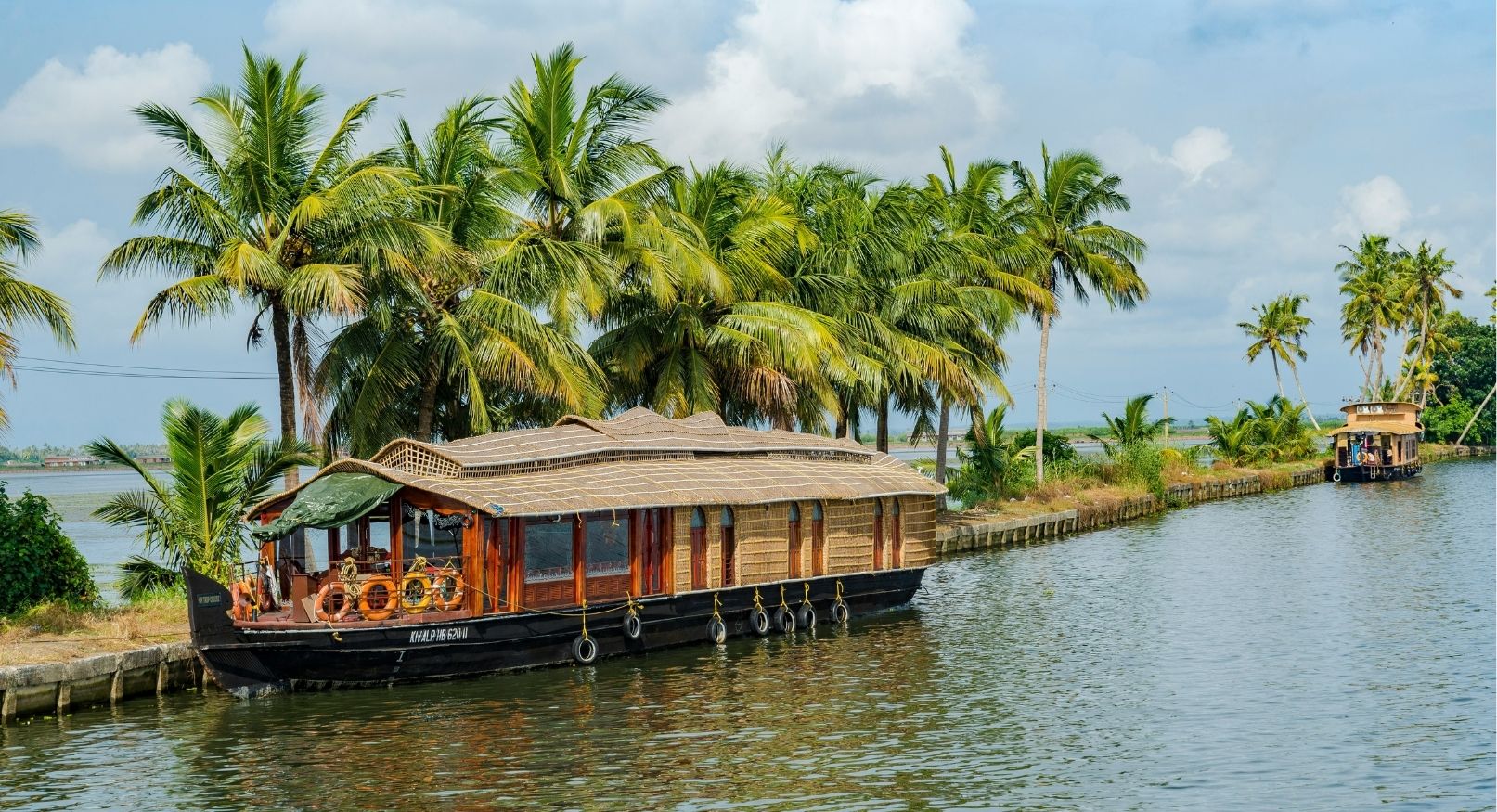
As guests arrive at the jetty, the sight of a traditional houseboat instantly captures attention.
Built using age-old techniques passed down through generations, these vessels were originally known as Kettuvallams, meaning “boats tied together.” Long before roads connected Kerala's villages, these boats served as the primary means of transporting rice, spices, coconuts, and other agricultural produce across the waterways.
Today, these historic rice barges have been beautifully restored and transformed into floating accommodations, combining traditional craftsmanship with modern comfort.
2. The Legacy of the Traditional Rice Barge
One of the most fascinating aspects of Kerala houseboats is their construction. Unlike modern vessels assembled with nails and metal fasteners, traditional rice barges were crafted using wooden planks bound together with coir ropes made from coconut fibers.
The roofs are often constructed using bamboo poles, woven palm leaves, and other natural materials that blend harmoniously with the surrounding environment. The graceful design reflects Kerala's architectural heritage while providing stability and comfort on the water.
Stepping aboard feels like entering a floating piece of history. Polished wooden interiors, handcrafted furnishings, open-air lounges, and panoramic viewing decks offer an authentic yet luxurious experience.
3. Cruising Through Kerala's Living Landscape
As the houseboat gently leaves Kumarakom behind, the scenery begins to unfold like a moving postcard.
The narrow canals are lined with swaying coconut palms. Small villages appear along the banks, where daily life continues much as it has for generations. Fishermen cast their nets into the shimmering waters, children wave from village paths, and locals travel in small wooden canoes through the waterways.
Unlike conventional sightseeing tours, a houseboat cruise offers a front-row seat to authentic rural Kerala. There are no crowds, no rush, and no barriers between travelers and local life. The boat becomes a slow-moving observation deck, allowing guests to appreciate details often missed during traditional travel.
Wide stretches of Vembanad Lake open before the boat, followed by narrow canals winding through paddy fields and tiny islands connected by footbridges. The reflections of palm trees on the still water create a mesmerizing scene that photographers and nature lovers find irresistible.
4. Witnessing the Traditional Art of Coir Making
One of the most memorable cultural encounters along the route is witnessing Kerala's famous coir-making industry.
The coconut palm is often called the "Tree of Life" because nearly every part of it is utilized. The fibrous husk surrounding the coconut is processed into coir, a durable natural fiber that has supported local livelihoods for centuries.
As the houseboat passes village communities, travelers may observe women skillfully spinning coconut fibers into long ropes using traditional hand-operated techniques. The process begins with soaking coconut husks in water for several months, allowing the fibers to separate naturally. These fibers are then dried, combed, and twisted into strong ropes used in boat construction, floor mats, brushes, and numerous household products.
Watching artisans work with practiced precision offers a fascinating glimpse into a sustainable craft deeply rooted in Kerala's history and culture.
5. Birdlife and Natural Beauty
The backwaters are also a haven for wildlife. Bird enthusiasts often spot kingfishers darting across the water, egrets stalking fish in shallow waters, cormorants drying their wings, and herons standing motionless along the banks.
Depending on the season, migratory birds may also be seen resting in the wetlands surrounding Kumarakom. The calm waters create ideal conditions for observing nature without disturbing the delicate ecosystem.
Even the simplest moments—a bird taking flight, a fisherman rowing silently through the mist, or a gentle breeze rustling the palm leaves—become lasting memories.
6. Culinary Delights on Board
Food is an essential part of any Kerala houseboat journey.
Meals are freshly prepared onboard using local ingredients and traditional recipes. The aroma of spices fills the air as lunch is prepared in the galley, while guests relax and enjoy uninterrupted views of the backwaters.
A typical menu may include Kerala fish curry, vegetable thoran, sambar, freshly steamed rice, appam, seasonal vegetables, and tropical fruits. Dining on the deck while surrounded by tranquil waters creates an experience where the scenery becomes part of the meal itself.
7. Life Along the Waterways
One of the greatest charms of the journey is witnessing how closely local communities remain connected to the water.
The canals function as roads, marketplaces, and gathering spaces. Small boats transport schoolchildren, farmers carry produce to market, and fishermen navigate channels that have been used for generations.
Village temples, churches, and traditional homes shaded by coconut trees appear along the route, reflecting the region's rich cultural diversity and enduring traditions.
For many travelers, these glimpses into everyday life become the most meaningful memories of the cruise.
8. The Spectacular Sunset Towards Alleppey
As the day progresses and the boat approaches Alleppey, anticipation builds for one of the journey's most breathtaking highlights—the sunset.
The evening light transforms the backwaters into a canvas of gold and amber. The sky gradually shifts from brilliant blue to shades of orange, pink, and crimson. The water mirrors these colors with astonishing clarity, creating an almost dreamlike atmosphere.
Palm trees become elegant silhouettes against the horizon while fishing boats glide quietly across the glowing waters. The entire landscape seems suspended in a moment of perfect stillness.
Guests often gather on the upper deck to watch nature's daily masterpiece unfold. While photographs capture the beauty, the true magic lies in simply being present and absorbing the serenity of the moment.
9. Arriving in Alleppey
Often referred to as the "Venice of the East," Alleppey welcomes visitors with its extensive network of canals, charming villages, and vibrant backwater culture.
As the houseboat nears its destination, travelers gain a deeper appreciation for why Kerala's backwaters are regarded as one of India's most iconic travel experiences. Yet after spending hours immersed in the peaceful rhythms of the waterways, many discover that the journey itself is the true highlight.
10. Things to Keep in Mind During Your Houseboat Journey
- A little preparation can make your Kerala houseboat experience even more enjoyable and comfortable.
- Carry a mosquito repellent or insect-repellent cream, especially during the evening hours.
- Wear comfortable flat shoes or sandals with good grip, as wooden decks and walkways can occasionally become slippery.
- Choose light, breathable clothing suitable for Kerala's tropical climate.
- Bring sunscreen, sunglasses, and a hat to stay protected from the sun while relaxing on the deck.
- Keep a camera or smartphone ready to capture the stunning landscapes, village life, and unforgettable sunsets.
- Carry any personal medications and essentials, as access to shops may be limited while cruising.
- Stay hydrated throughout the day and enjoy the fresh tropical atmosphere.
- To maintain the peaceful and family-friendly ambiance of the backwaters, avoid alcohol consumption during the journey.
- Respect local customs and traditions when interacting with communities along the waterways.
- Help preserve Kerala's fragile ecosystem by avoiding litter and practicing responsible tourism.
11. A Journey to Remember
A Kerala houseboat cruise from Kumarakom to Alleppey is far more than a sightseeing excursion—it is an immersion into a world where nature, culture, and tradition exist in perfect harmony. The gentle rhythm of the backwaters, the sight of traditional coir-making villages, the warmth of local hospitality, and the ever-changing landscapes create an experience that is both relaxing and enriching.
As the houseboat glides through narrow canals and expansive lakes, travelers witness a way of life shaped by water for centuries. Every scene tells a story: fishermen casting their nets at dawn, villagers traveling by canoe, children waving from the banks, and artisans preserving age-old crafts. These authentic encounters provide a deeper understanding of Kerala's unique heritage and enduring connection to its waterways.
The journey becomes even more memorable as the sun begins its descent, painting the sky and water in brilliant shades of gold, orange, and crimson. The tranquil beauty of the sunset over the backwaters serves as a fitting finale to a day spent exploring one of India's most captivating landscapes.
Whether seeking a romantic escape, a cultural adventure, or simply a peaceful retreat from the demands of everyday life, the houseboat journey from Kumarakom to Alleppey offers an unforgettable experience. It is a voyage that invites travelers to slow down, appreciate the beauty of simple moments, and connect with the timeless spirit of Kerala.
For those looking to discover the true essence of God's Own Country, few experiences can match the charm, serenity, and authenticity of a traditional Kerala houseboat cruise through the enchanting backwaters