Travel with purpose Explore with curiosity Return inspired
Travel with purpose Explore with curiosity Return inspired

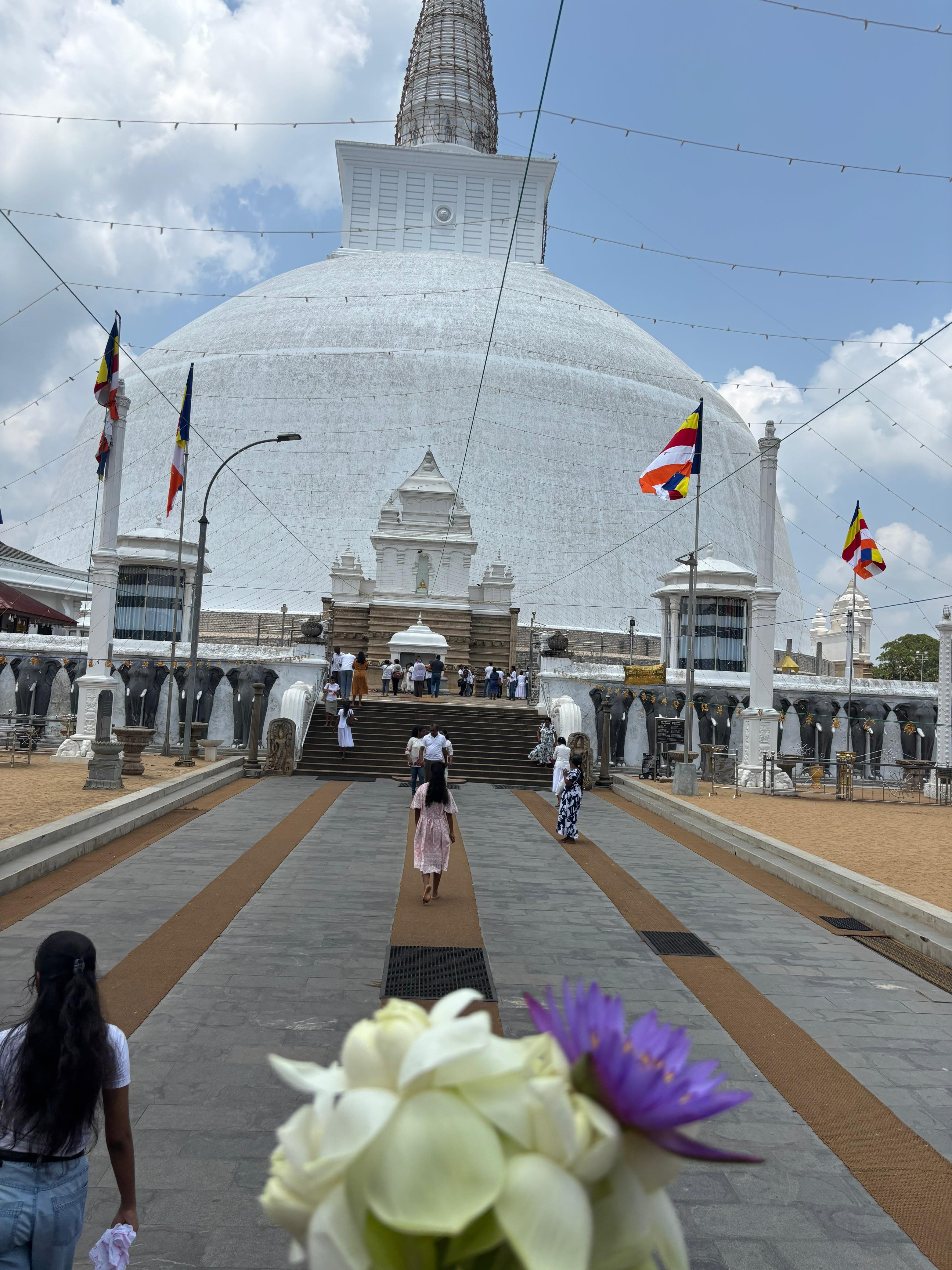
Sri Lanka is an island nation located in the Indian Ocean, just south of India, separated by the Palk Strait and the Gulf of Mannar. The country boasts diverse landscapes, including coastal plains, mountainous regions in the central and southern parts, and a tropical climate. With a rich history spanning over 2,500 years, Sri Lanka was significantly influenced by Buddhism, evident in its ancient cities like Anuradhapura and Polonnaruwa. The island underwent colonization by the Portuguese, Dutch, and British, who named it Ceylon; it gained independence in 1948 and was renamed Sri Lanka in 1972. The nation experienced a prolonged civil war from 1983 to 2009, which ended with the defeat of the Liberation Tigers of Tamil Eelam (LTTE).
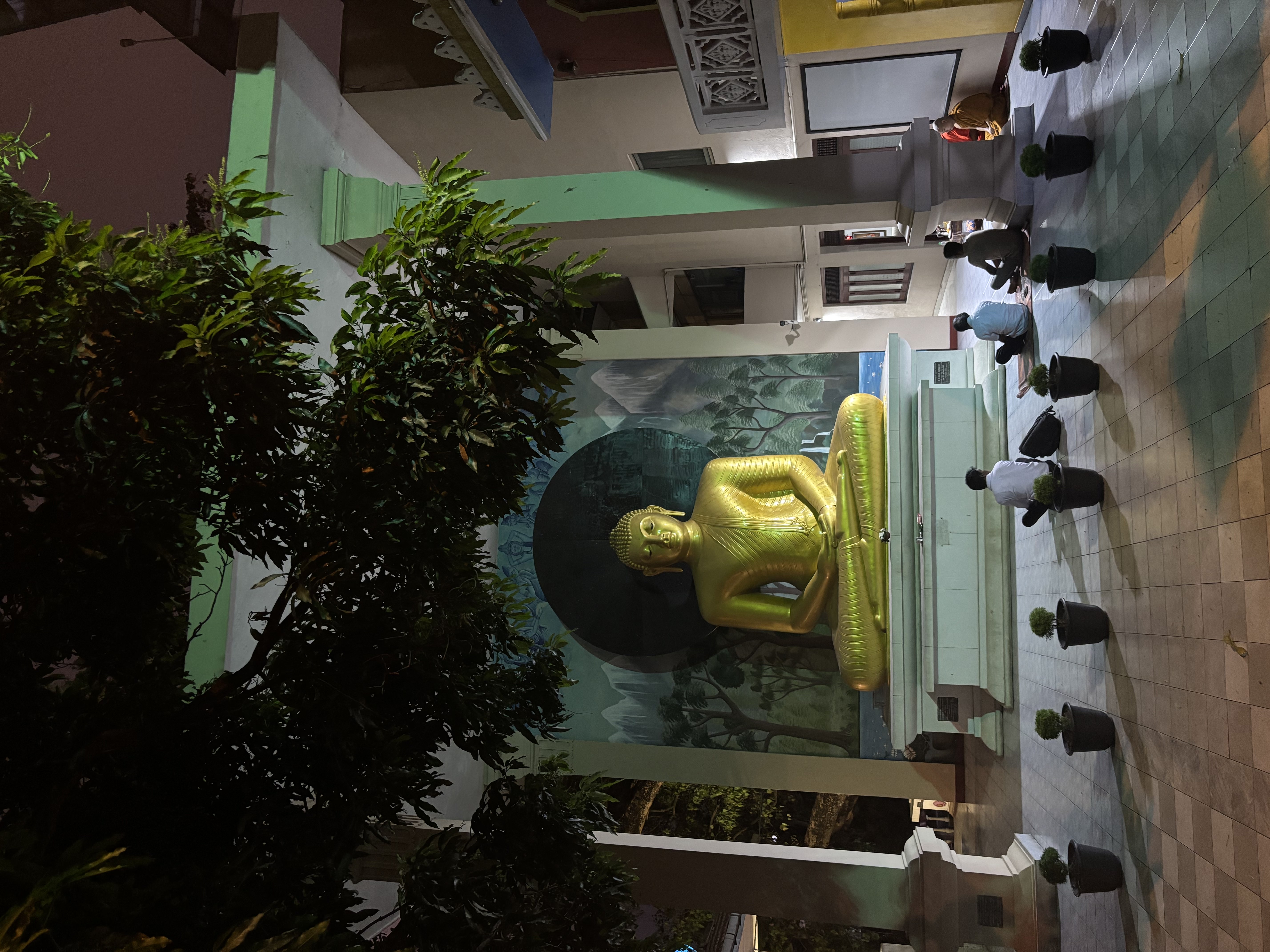
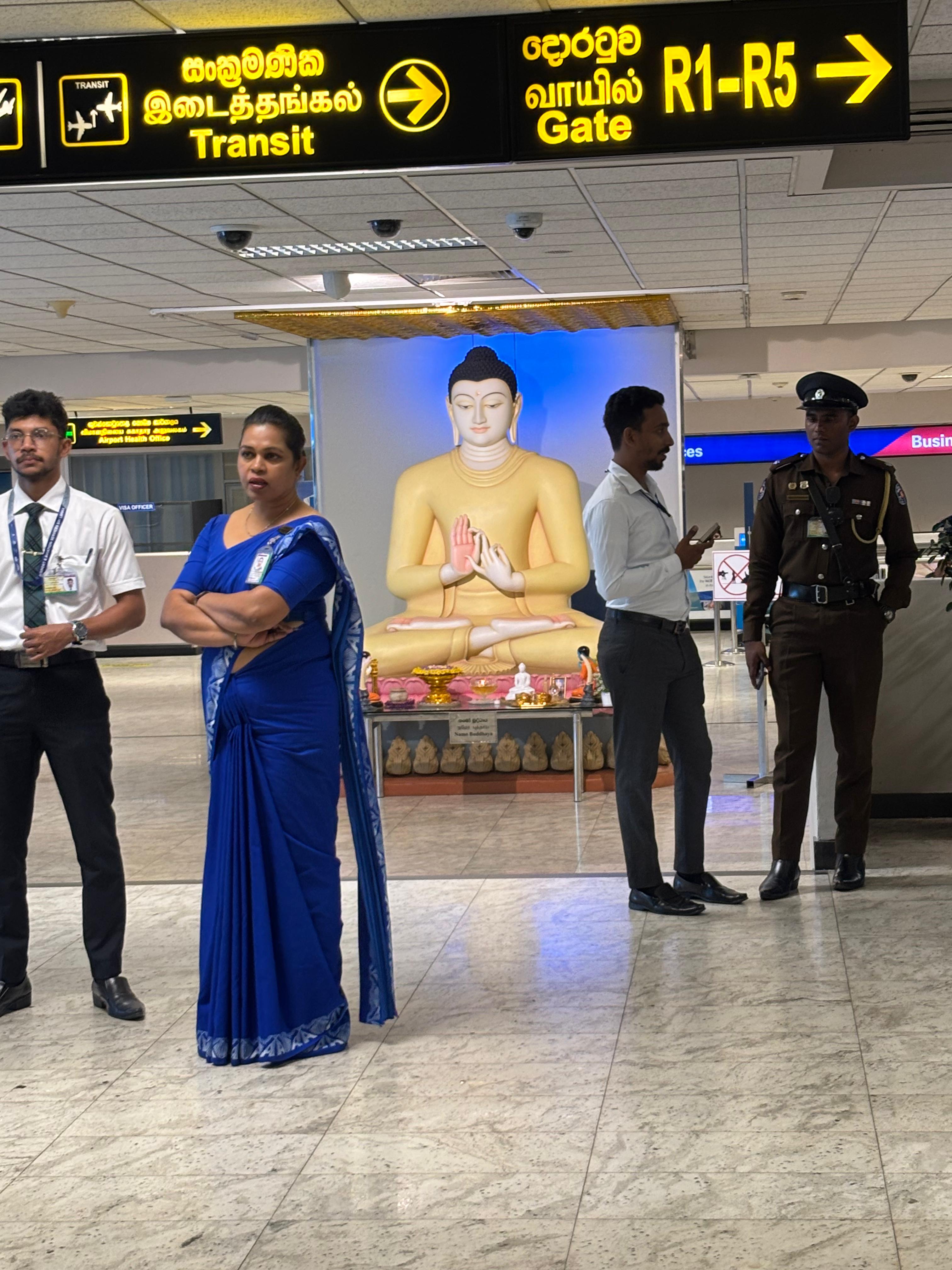
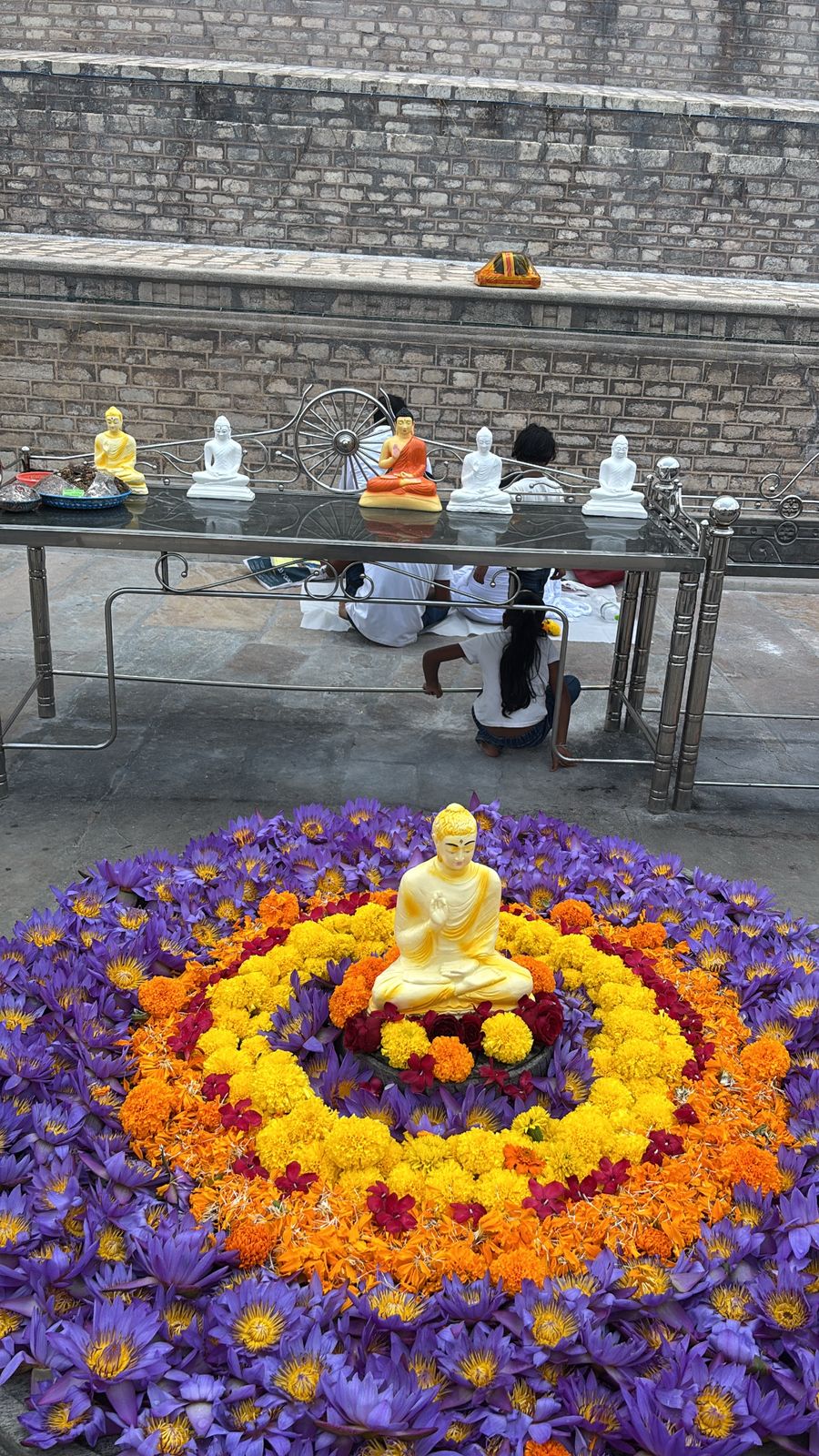
Politically, Sri Lanka is a democratic republic with a presidential system, where the President serves as the head of state, government, and military. As of 2023, Ranil Wickremesinghe is the President. The predominant religion is Buddhism, followed by Hinduism, Islam, and Christianity, and the official languages are Sinhala and Tamil, with English widely used for official and commercial purposes. The country is known for its vibrant festivals, such as Sinhala and Tamil New Year and Vesak, which celebrates the life of Buddha.
Economically, Sri Lanka has a traditional agrarian foundation, renowned for its tea, rubber, and coconut plantations. Key industries include textiles, apparel, tourism, and information technology services. However, the nation has faced economic challenges, including debt and inflation, necessitating reforms. Environmentally, Sri Lanka is a biodiversity hotspot, featuring numerous national parks and reserves. Conservation efforts are crucial to balancing development with environmental protection amid challenges like deforestation and climate change.
Socially, Sri Lanka has a high literacy rate and offers free education from primary to university level. Its universal healthcare system provides free medical services to citizens, contributing to favorable human development indicators compared to its South Asian neighbors. However, the country grapples with political stability, addressing ethnic tensions, implementing effective economic policies, and promoting reconciliation among its diverse ethnic and religious groups, making these priorities essential for sustainable growth and social harmony.
Sri Lanka is a compact country with short travel distances. Travelers can move from beaches to hills within a few hours.
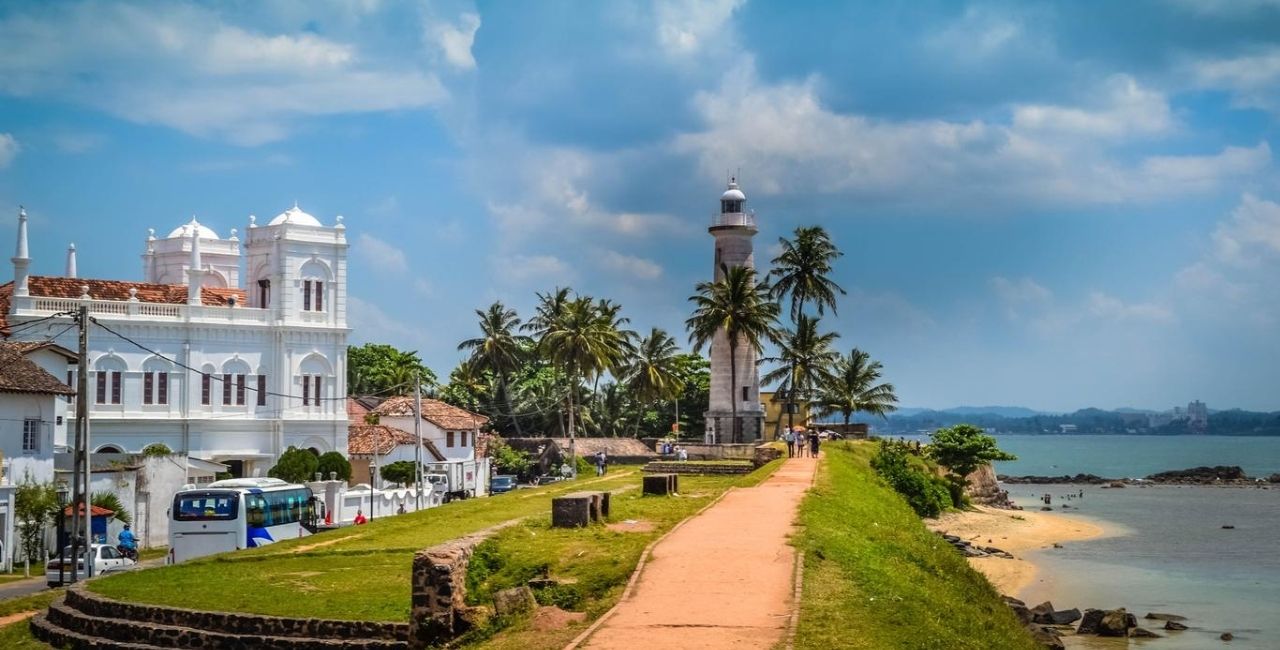
Sri Lanka has long coastlines with calm and surf-friendly beaches. Bentota, Mirissa, Unawatuna, and Arugam Bay attract beach lovers. Whale watching is popular along the southern coast.
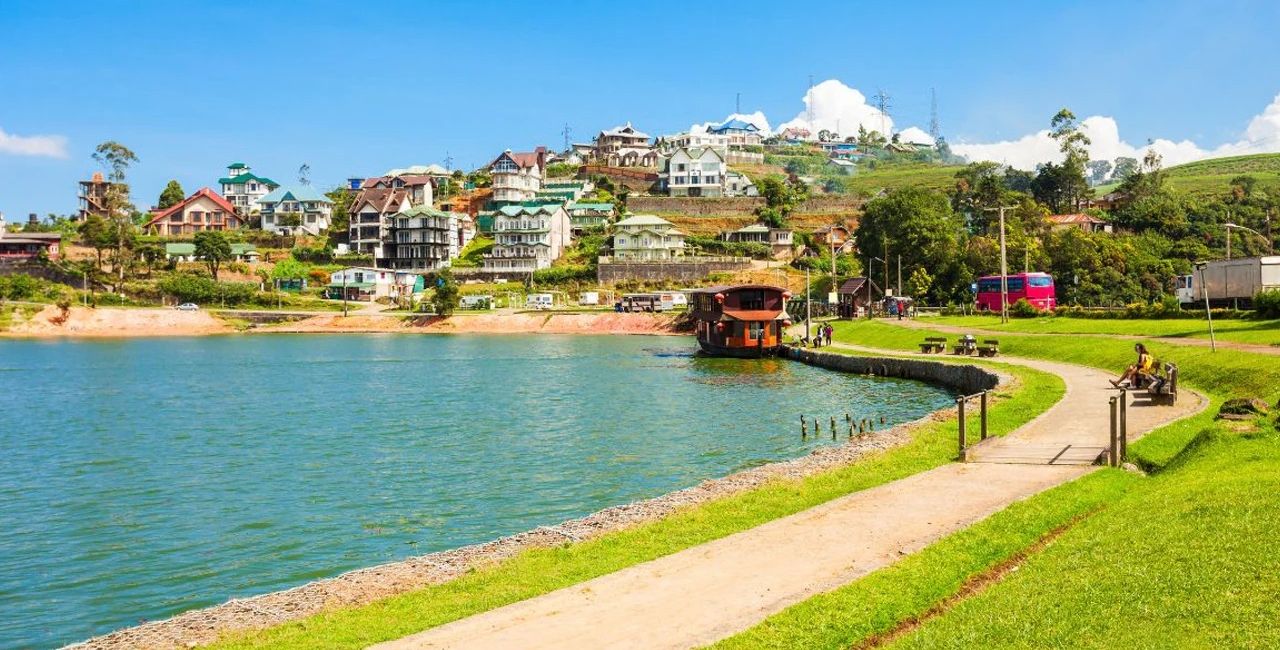
The central highlands offer cool weather and green views. Nuwara Eliya, Ella, and Haputale are known for tea gardens. Train journeys through hills are world famous.
Sri Lanka is ideal for wildlife safaris. Yala and Udawalawe are known for elephants and leopards. Birdwatching is popular in wetland regions.
Sri Lanka is known for Ayurvedic treatments. Wellness retreats focus on healing and relaxation. Many resorts offer traditional therapies.
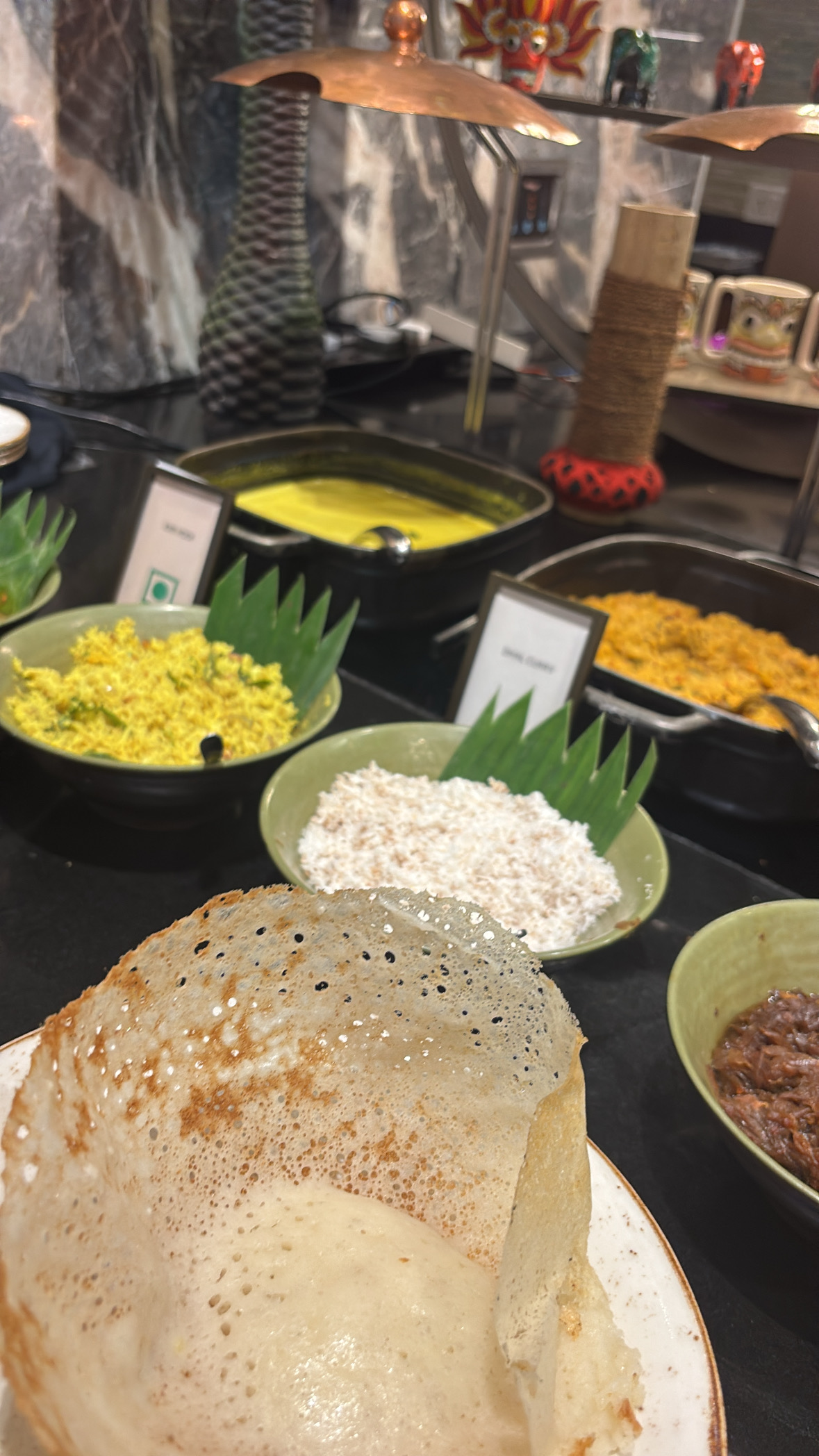
Sri Lankan food uses rice, coconut, and spices. Meals are flavorful and often spicy. Seafood is common in coastal regions.
Sri Lanka is budget friendly for most travelers. Visa on arrival or online ETA is available for many nationalities. Local transport includes trains, buses, and tuk-tuks.
December to April suits the west and south coasts. May to September suits the east coast. Sri Lanka offers culture, nature, and comfort in one journey.